Maintaining a gas pole saw is essential for its longevity and optimal performance, ensuring it remains a reliable tool for pruning high branches. Regular care, including precise fuel and oil management, diligent chain and bar upkeep, and attention to engine components like the air filter and spark plug, prevents breakdowns and costly repairs. Neglecting these tasks can significantly shorten the tool’s lifespan and lead to frustrating operational issues.
Understanding Your Gas Pole Saw: A Powerhouse for Pruning
A gas pole saw is a specialized pruning tool featuring a small, powerful chainsaw head mounted on a long, extendable pole. It’s designed to safely cut branches that are out of reach, eliminating the need for ladders in many situations. Unlike electric or battery-powered models, gas pole saws offer superior power and unrestricted run-time, making them ideal for heavy-duty tasks, larger properties, or professional use. Their two-stroke engines require a specific fuel mixture, which is a key aspect of their maintenance. This power and reach make them indispensable for maintaining tree health, clearing storm damage, and sculpting landscapes effectively.
The mechanical nature of a gas pole saw, with its engine, fuel system, and cutting apparatus, means it requires more hands-on maintenance than its electric counterparts. Proper upkeep ensures not only peak performance but also your safety. Neglecting simple tasks can lead to issues ranging from a struggling engine to a dull chain, turning what should be an efficient pruning session into a frustrating chore. Understanding the components and their specific maintenance needs is the first step towards a long and productive relationship with your tool.
The Lifeline of Your Saw: Fuel and Oil Management
The heart of any gas pole saw is its engine, and its lifeblood is the fuel and oil mixture you provide. Unlike four-stroke engines, most gas pole saws use a two-stroke engine, which requires a precise blend of gasoline and two-stroke engine oil. Getting this mix right is paramount for engine health and performance.
Mastering the Fuel Mix
The most common fuel mix ratio for many pole saws is 50:1, meaning 50 parts unleaded gasoline to 1 part two-stroke oil. However, it’s crucial to always consult your pole saw’s owner’s manual for the manufacturer’s specific recommendation, as ratios can vary (e.g., 40:1 or 25:1 for some models). Using the wrong ratio can lead to serious engine damage, such as piston seizure or overheating.
Key Considerations for Fuel and Oil:
- Fresh Unleaded Gasoline: Always use fresh, high-quality unleaded gasoline with a minimum octane rating of 89. Gasoline that has been stored for more than a month can degrade, leading to starting problems and engine issues.
- Quality Two-Stroke Engine Oil: Use a premium two-stroke engine oil specifically designed for air-cooled outdoor power equipment, often labeled with a “TC” classification. Avoid automotive engine oils, as they are not formulated for the higher temperatures of two-stroke engines.
- Accurate Mixing: Measure both components accurately using an approved fuel mixing bottle or container. Pour the oil into the gasoline, not the other way around, to ensure a thorough mix. Seal the container and shake it gently before use.
- Storage of Mixed Fuel: Mixed fuel has a limited shelf life, typically around 30 days. After this period, the oil can separate, or the gasoline can start to break down, forming harmful deposits in the engine. For longer storage, always drain the fuel tank or use a high-quality fuel stabilizer to preserve the fuel.
Bar and Chain Oil
Beyond the engine’s fuel, your pole saw’s cutting mechanism requires its own lubrication. The guide bar and chain oil reservoir must be filled before each use to reduce friction, prevent premature wear, and ensure smooth cutting. Use a high-quality bar and chain oil, specifically formulated for this purpose, and regularly check the oil levels during operation, refilling as needed. A well-lubricated chain not only cuts more efficiently but also extends the life of both the chain and the guide bar.
Beyond the Engine: Blade, Chain, and Bar Care
The cutting performance of your gas pole saw relies heavily on the condition of its chain and guide bar. Proper care of these components is crucial for efficient operation and extends their lifespan.
Chain Sharpening and Inspection
A dull chain is inefficient and dangerous, making your saw work harder and increasing the risk of kickback.
- Regular Inspection: After each use, inspect the chain for dull teeth, chips, cracks, or excessive wear. Look for signs of uneven cutting or excessive sawdust, which can indicate a dull chain.
- Sharpening: Sharpen the chain regularly using a chainsaw file or a specialized sharpening tool, following the manufacturer’s recommended angle. Consistency in sharpening angle and stroke count across all teeth is essential for optimal performance. If you’re unsure, professional sharpening is a worthwhile investment.
Chain Tension Adjustment
Correct chain tension is vital for safety and performance.
- Check Tension: A loose chain can come off the guide bar, causing injury or damage, while an overly tight chain can strain the motor and guide bar, leading to premature wear and overheating. Check the tension before each use, ensuring the chain fits snugly around the guide bar but can still be pulled freely by hand.
- Adjusting Tension: Refer to your owner’s manual for the specific adjustment procedure for your model. If you tighten the chain during operation, remember to loosen it slightly once the saw cools down, as the chain contracts.
Guide Bar Cleaning and Lubrication
The guide bar supports the chain and is subjected to significant friction and heat.
- Cleaning: Regularly clean the guide bar rails to remove sawdust, sap, and debris that can impede chain movement and lubrication.
- Filing Burrs: Over time, burrs can form on the sides of the guide bar, especially on the rails. File these off to ensure smooth chain travel.
- Lubrication: Periodically oil the guide bar passages manually, especially if your saw doesn’t have an automatic oiling system, or if you’ve sharpened or replaced the chain. Ensure the oil reservoir for the automatic oiler is always full.
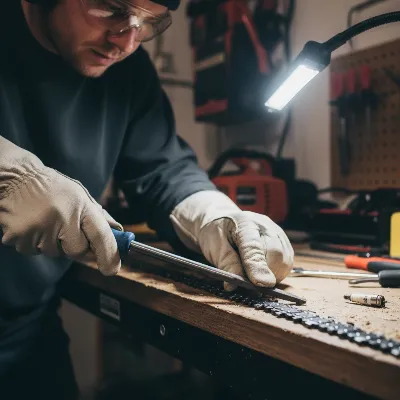 A person carefully inspecting and sharpening a gas pole saw chain with a file, wearing gloves and safety glasses.
Engine Essentials: Air Filter, Spark Plug, and Carburetor
The small engine of your gas pole saw requires specific attention to its air intake, ignition, and fuel delivery systems to function reliably.
Air Filter Cleaning and Replacement
A clean air filter is crucial for optimal engine performance, preventing dust and debris from entering the carburetor and engine cylinders.
- Regular Cleaning: After each use, or more frequently in dusty conditions, remove and clean the air filter. Depending on the type (foam or felt), you can wash it with mild detergent and water, or simply brush off debris. Ensure it’s completely dry before reinstallation.
- Replacement: Replace the air filter as recommended by the manufacturer, typically every three months or annually, or sooner if it’s damaged or heavily soiled. A clogged filter can lead to a rich fuel mixture, reduced power, and eventually engine damage.
Spark Plug Inspection and Replacement
The spark plug is responsible for igniting the fuel-air mixture in the engine.
- Inspection: Weekly, or after every 25 hours of use, remove the spark plug and inspect it. Look for signs of carbon buildup, wear, or damage to the electrodes. A fouled spark plug can cause misfires and hard starting.
- Cleaning and Gap Adjustment: Clean any carbon deposits with a wire brush and adjust the electrode gap to the manufacturer’s specification, usually around 0.5 mm (0.020″).
- Replacement: Change the spark plug monthly or annually, or if it shows significant wear or damage, even if it appears clean.
Carburetor Cleaning and Inspection
The carburetor mixes air and fuel in the correct proportions. While deep carburetor cleaning is often a task for a professional, regular inspection and area cleaning can prevent common issues.
- Area Cleaning: Weekly, clean the area around the carburetor to prevent dirt and debris from entering the system.
- Fuel Filter and Pipe: Monthly, check the fuel filter and fuel pipe for clogs, cracks, or damage, and replace them if necessary. These components are crucial for clean fuel delivery to the carburetor.
- Fuel Tank: Clean the fuel tank monthly to remove any sediment or debris that could contaminate the fuel system.
Muffler and Spark Arrest Screen
The muffler reduces engine noise, and the spark arrest screen prevents hot embers from escaping the exhaust.
- Cleaning: Regularly check and clean the muffler’s spark arrest screen, especially if your pole saw has a catalytic converter. A clogged screen can restrict exhaust flow, leading to reduced engine power and overheating.
A Comprehensive Maintenance Checklist for Your Gas Pole Saw
Consistent maintenance is key to your gas pole saw’s longevity and reliable performance. Here’s a structured checklist to guide your routine:
Daily or After Each Use
- Clean the exterior: Wipe down the entire machine with a damp cloth to remove sap, sawdust, and debris.
- Check fuel levels and leaks: Ensure the fuel tank is adequately filled with the correct mix and inspect for any fuel leaks.
- Inspect and sharpen chain: Check for dullness, damage, and sharpen if needed.
- Check chain tension: Adjust tension as required to ensure safe and efficient operation.
- Lubricate chain and guide bar: Ensure the bar oil reservoir is full and the chain is adequately lubricated.
- Clean air filter: Remove visible debris or replace if heavily soiled.
- Check safety features: Verify that the throttle trigger lock and stop switch function correctly.
- Tighten fasteners: Inspect all nuts and screws, tightening any that are loose.
Weekly Routines
- Inspect starter and cord: Check for wear or damage to the starter assembly and pull cord.
- Examine vibration-damping elements: Ensure they are not damaged, which could affect user comfort and safety.
- Clean spark plug: Remove, clean the exterior, and check the electrode gap (adjust to 0.5 mm/0.020″ if necessary).
- Clean cooling fins: Clear debris from the flywheel and cylinder cooling fins to prevent overheating.
- Clean carburetor area: Remove any buildup around the carburetor.
- File guide bar burrs: Remove any burrs that have formed on the sides of the guide bar.
Monthly or Every 25 Hours of Use
- Clean fuel tank: Drain and clean the fuel tank to remove any accumulated sediment.
- Clean carburetor: Inspect and clean the carburetor and its surrounding area more thoroughly.
- Clean fan wheel: Ensure the fan wheel and its housing are free of debris for proper cooling.
- Check fuel filter and pipe: Inspect for clogs or deterioration and replace if necessary.
- Check cables and connections: Ensure all electrical cables and connections are secure and undamaged.
- Inspect clutch system: Check the clutch, clutch springs, and clutch drum for wear, replacing components if needed.
- Replace spark plug: Install a new spark plug to ensure reliable ignition.
- Clean muffler spark arrest screen: Remove and clean the screen to prevent exhaust restriction.
- Apply lithium-based grease: Lubricate moving parts as per manufacturer guidelines.
Seasonal or Long-Term Storage
- Drain fuel system: Completely drain the fuel tank and run the engine until it stops to clear the carburetor of fuel, or use a fuel stabilizer if storing with fuel.
- Clean thoroughly: Perform all daily, weekly, and monthly maintenance tasks.
- Lubricate: Ensure all moving parts, especially the chain and guide bar, are well-oiled to prevent rust.
- Store properly: Keep the pole saw in a dry, cool, well-ventilated area, away from direct sunlight and out of reach of children. Consider hanging it or placing it on a shelf to prevent damage.
Troubleshooting Common Issues (Maintenance-Related)
Many operational problems with gas pole saws can be traced back to a lack of proper maintenance. Here’s how to troubleshoot some common issues:
Motor Not Starting or Running Poorly
- Fuel Issues: If your pole saw won’t start, first check the fuel. Ensure you have the correct gas-to-oil mix and that the fuel is fresh. Stale fuel or an incorrect mix can prevent ignition or cause poor running.
- Spark Plug: A fouled or incorrectly gapped spark plug can cause starting difficulties. Clean or replace the spark plug and verify the gap.
- Air Filter: A clogged air filter restricts airflow, leading to a rich mixture and poor engine performance or difficulty starting. Clean or replace it.
- Carburetor: If the engine still struggles, the carburetor might be clogged with old fuel deposits, particularly if the saw was stored with untreated fuel. This usually requires professional cleaning or replacement.
Chain Not Cutting Efficiently or Coming Off
- Dull Chain: The most common reason for inefficient cutting is a dull chain. Sharpen the chain or replace it.
- Incorrect Tension: A chain that is too loose will cut poorly and may frequently come off the guide bar. A chain that is too tight can cause the motor to overheat and the chain to bind. Adjust the chain tension properly.
- Lack of Lubrication: Insufficient bar and chain oil can lead to increased friction, inefficient cutting, and rapid wear. Ensure the oil reservoir is full and the oiler system is functioning.
- Damaged Guide Bar: A warped or worn guide bar can cause the chain to come off or cut unevenly. Inspect the guide bar and replace if damaged.
Leaks (Fuel or Bar Oil)
- Fuel Leaks: Inspect the fuel tank, cap, fuel lines, and fittings for cracks or loose connections. Replace damaged components or tighten loose fittings.
- Bar Oil Leaks: Check the bar oil tank, cap, oil lines, and the oiler mechanism for damage or blockages. Leaks often indicate a crack in the reservoir or a faulty seal.
Top Gas Pole Saw Models: Built for Performance and Maintainability
Choosing a gas pole saw often comes down to a balance of power, reach, and, crucially, how easy it is to maintain for long-term use. Here’s a comparison of some highly-regarded gas pole saw models known for their robust performance and designs that facilitate maintenance.
| Pole Saw Model | Type | Max Length | Power Source | Advantages | Disadvantages | Approx. Price |
|---|---|---|---|---|---|---|
| Husqvarna 122LKP | Gas | 12 feet (3.6m) | Gasoline | Powerful 21.7cc engine, multi-attachment capability, X-CUT chain for superior cutting. Good parts availability. | Can be heavy for extended use, requires precise fuel mix. | ~ $350 |
| Echo CS-590-20AA | Gas | Varies (with extensions) | Gasoline | Exceptional power and durability for heavy-duty professional work. Reliable engine. | Heavier, higher initial cost. | ~ $500 |
| Stihl HT 56CE | Gas | 11.5 feet (3.5m) | Gasoline | Smooth operation, good balance, STIHL Easy2Start technology. Known for reliable engines. | Can be pricier than some competitors, parts typically from Stihl dealers. | ~ $400 |
| Husqvarna 525P4S | Gas | 13 feet (4m) | Gasoline | Professional-grade power, adjustable cutting head, durable build. | Higher cost, may require more advanced maintenance for specific parts. | ~ $600 |
| Troy-Bilt 41CD25PS766 | Gas | 8 feet (2.4m) | Gasoline | Strong 25cc engine, automatic chain lubrication, cushioned grip for comfort. Good for residential use. | Shorter reach compared to professional models. | ~ $200 |
These models represent a range of options, from robust professional tools to reliable homeowner choices, all benefiting significantly from the maintenance practices outlined in this guide.
Safety First: Maintaining and Operating Your Gas Pole Saw Safely
Safety should always be your top priority when maintaining or operating any power tool, especially a gas pole saw with its sharp chain and powerful engine.
> “Always remember to stop the engine and disconnect the spark plug before performing any maintenance. This simple step can prevent serious injuries caused by accidental starts.” – John Smith, Certified Small Engine Mechanic
Key Safety Practices:
- Read the Manual: Before first use, thoroughly read and understand your pole saw’s owner’s manual. It contains critical safety information and specific maintenance instructions for your model.
- Personal Protective Equipment (PPE): Always wear appropriate PPE, including a hard hat, safety glasses or goggles, hearing protection, heavy-duty work gloves, and sturdy, non-slip footwear. Wear snug-fitting clothes to avoid entanglement with moving parts.
- Engine Off and Cooled: Before performing any maintenance, always stop the engine and allow it to cool completely. Disconnect the spark plug wire to prevent accidental starts.
- Stable Work Area: Work on a flat, stable surface when performing maintenance. Ensure good lighting and ventilation, especially when handling fuel. Never run the engine indoors due to hazardous exhaust fumes.
- Clear Work Zone: When operating, ensure your work area is clear of people, pets, and hidden debris that could cause you to lose footing. Be aware of falling branches.
- Proper Fuel Handling: Handle fuel in a well-ventilated area, away from sparks, open flames, or heat sources. Wipe up any spills immediately.
- Maintain Balance and Grip: Always operate the pole saw with both hands firmly gripping the handles, maintaining proper footing and balance. Avoid overreaching.
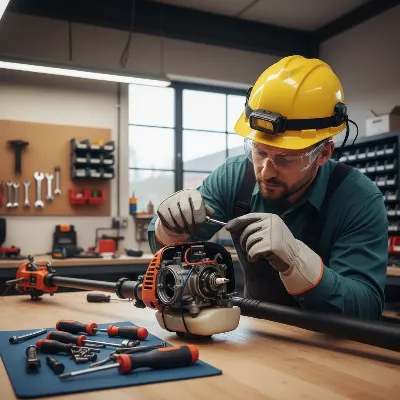 Person wearing safety gear, preparing a gas pole saw for maintenance on a workbench.
Conclusion
A gas pole saw is an invaluable tool for maintaining your property, offering the power and reach to tackle challenging pruning tasks. By consistently applying these essential maintenance tips—from precise fuel and oil management to diligent chain, bar, and engine care—you’re not just preventing breakdowns; you’re investing in the longevity and optimal performance of your equipment. Regular maintenance ensures your pole saw operates safely and efficiently, saving you time, money, and frustration in the long run. Embrace these routines, and your gas pole saw will continue to be a dependable workhorse for every high-reaching endeavor.
What specific maintenance task do you find most challenging for your gas pole saw, and why?

Good general tips, but I wish there was a bit more detail on specific spark plug types or brands that are recommended. It just says to check it, which is obvious. Still, the section on engine components was helpful for a quick refresh. My saw is pretty old, so I’m always looking for ways to extend its life.
Great advice on keeping the chain and bar in top shape. I was having issues with my saw getting bogged down, and it turns out my chain was duller than I thought. After sharpening it and giving the bar a good clean, it’s cutting like new. I appreciate the reminder about checking the air filter too; mine was pretty gunked up.
I’ve had my gas pole saw for years and always just kinda winged it with maintenance. This guide really broke down the importance of proper fuel and oil mixes. I used to just eyeball it, but now I’m much more careful. My saw is definitely running smoother and starting easier after following these tips.
This was super helpful! I just got a new gas pole saw and want to make sure it lasts. The part about preventing breakdowns and costly repairs really hit home. I’m going to be much more diligent about the regular care now, especially with the chain upkeep. Thanks for the clear instructions!