Winterizing a gas pole saw safely at home involves preparing its fuel system, engine, and cutting components for extended non-use, typically during colder months, to prevent issues like gummed-up carburetors and rust. This process ensures the tool starts reliably and extends its lifespan, saving on future repairs. Neglecting winterization can lead to frustrating starting problems and costly damage when the warm weather returns.
What is Pole Saw Winterization and Why is It Essential?
Pole saw winterization refers to the comprehensive process of preparing your gas-powered pole saw for extended periods of non-use, typically during the colder months. This crucial maintenance ritual goes beyond a simple clean, addressing potential issues caused by fuel degradation, moisture, and inactivity. The core objective is to prevent common problems such as gummed-up carburetors, rusted components, and cracked fuel lines, all of which can render your pole saw inoperable come spring. Proper winterization extends the equipment’s lifespan, maintains its performance, and saves you time and money on future repairs.
Gas pole saws, unlike their electric or manual counterparts, require specific attention due to their fuel systems and internal combustion engines. Leaving untreated gasoline in the tank or carburetor over several months allows it to break down, forming sticky varnish and gum deposits that clog fuel lines and jets. Moisture, often introduced by ethanol in modern fuels, can also lead to corrosion within the fuel system and engine components. By winterizing your gas pole saw, you proactively combat these issues, ensuring a smooth start and reliable operation season after season.
Essential Tools and Supplies for Winterizing Your Gas Pole Saw
Before you begin the winterization process, gather all the necessary tools and supplies. Having everything on hand will make the task more efficient and ensure no crucial steps are missed. You likely have many of these items in your garage or workshop already.
Here’s a checklist of what you’ll need:
- Fuel Stabilizer: Essential for preventing fuel breakdown.
- Empty, Approved Fuel Can: For draining old fuel if not stabilizing.
- Clean Rags/Shop Towels: For wiping down surfaces and spills.
- Spark Plug Wrench: To remove and inspect the spark plug.
- Engine Oil (small amount): For cylinder lubrication (fogging oil is ideal).
- Air Filter Cleaner or Replacement Filter: To ensure clean air intake.
- Brush/Scraper: For removing caked-on debris.
- Wire Brush: For cleaning the guide bar groove and chain.
- Chain and Bar Oil: For lubricating the cutting components.
- Grease Gun (with appropriate grease): If your pole saw has a greasable sprocket nose.
- Protective Gear: Gloves, safety glasses, and hearing protection are always recommended when working with power equipment.
- Owner’s Manual: Always refer to your specific pole saw’s manual for model-specific instructions and recommendations.
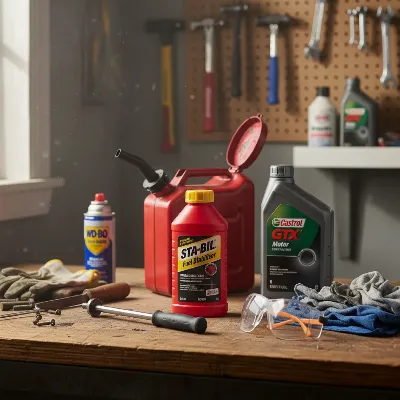 Essential tools and supplies for safe gas pole saw winterization at home
Step-by-Step Guide: How to Winterize Your Gas Pole Saw
Winterizing your gas pole saw is a straightforward process that can be broken down into several manageable steps, focusing on the fuel system, engine, cutting components, and overall cleanliness.
1. Fuel System Preparation
The fuel system is often the most critical area for winterization. Untreated fuel can cause significant problems. You have two primary options:
- Option A: Stabilize the Fuel: If you plan to store your pole saw for less than a year, adding a fuel stabilizer is an excellent choice. Fill the fuel tank with fresh, high-quality gasoline (preferably ethanol-free if available) and add the recommended amount of fuel stabilizer according to the product instructions. Once the stabilizer is added, run the engine for 5-10 minutes to ensure the treated fuel circulates throughout the carburetor and fuel lines. This prevents gum and varnish from forming as the fuel ages. Fuel stabilizers bond with gasoline to prevent evaporation and the formation of sticky resin that can plug up your fuel system. [cite: 1, 1 (How to Winterize Your Power Equipment)]
- Option B: Drain the Fuel: For longer storage periods (over a year) or if you prefer not to use a stabilizer, drain the fuel tank completely into an approved gasoline container. Then, start the engine and let it run until it completely runs out of fuel and dies. This ensures all fuel, including any remaining in the carburetor, is consumed, preventing it from gumming up. Dispose of old fuel responsibly.
2. Engine Care
Once the fuel system is addressed, turn your attention to the engine itself.
- Remove and Inspect the Spark Plug: Use a spark plug wrench to carefully remove the spark plug. Inspect it for wear, carbon buildup, or damage. Replace it if necessary.
- Lubricate the Cylinder: Pour a small amount (about a teaspoon) of clean engine oil or fogging oil into the spark plug hole. Gently pull the starter cord a few times to distribute the oil, coating the cylinder walls and preventing rust during storage. This is called “fogging” the engine. Reinstall the spark plug, but do not reconnect the spark plug wire until you are ready to use the pole saw again.
- Clean or Replace the Air Filter: A clean air filter is vital for engine performance. Remove the air filter and clean it according to your owner’s manual. Foam filters can often be washed with mild soap and water, while paper filters can be gently tapped to remove debris. If the filter is excessively dirty, torn, or damaged, replace it with a new one. Never use compressed air on paper filters, as it can damage the filter material. [cite: 1 (How to Winterize Your Power Equipment)]
- Inspect Cooling Fins: Ensure the engine’s cooling fins are free of dirt and debris. Clean them with a brush if necessary to maintain proper engine cooling when the pole saw is back in use.
3. Cutting Head and Chain Maintenance
The cutting components also need attention to prevent rust and ensure they are sharp and ready for next season.
- Remove, Clean, and Sharpen the Chain: Carefully remove the cutting chain from the guide bar. Clean it thoroughly to remove sap, dirt, and debris. Inspect the chain for dull teeth or damage. Sharpen dull teeth with a chain file or have it professionally sharpened. After cleaning and sharpening, coat the chain generously with fresh chain and bar oil to prevent rust, then store it in a plastic bag or container.
- Clean the Guide Bar: Clean the guide bar, paying close attention to the groove where the chain runs. Use a wire brush or a specialized guide bar cleaning tool to remove any packed-in sawdust or debris. Check the guide bar for burrs or uneven wear, and file them down if present. Lubricate the guide bar’s sprocket nose (if applicable) using a grease gun. Coat the entire bar with chain and bar oil or a rust-inhibiting spray.
4. Housing and General Cleaning
A thorough cleaning of the pole saw’s exterior prevents dirt and grime from causing long-term damage.
- Clean the Exterior: Use a brush or damp cloth to clean the entire housing of your pole saw, removing all dirt, sap, and debris. Pay attention to vents and control areas. Ensure the equipment is completely dry before storing it.
- Inspect for Damage: While cleaning, take the opportunity to inspect for any damaged parts, loose fasteners, or worn cables. Addressing these now can prevent larger issues later.
- Lubricate Moving Parts: Apply a lightweight oil (like machine oil or WD-40) to any hinges, springs, or control levers to keep them moving smoothly and prevent rust. [cite: 2 (The Homeowner’s Guide to Winterizing Outdoor Power Equipment)]
5. Final Storage
The way you store your pole saw is just as important as the preparation.
- Choose a Dry Location: Store your gas pole saw in a clean, dry location, such as a garage, shed, or basement. Avoid areas with significant temperature fluctuations or high humidity, as these can promote rust and corrosion. If storing on a concrete floor, consider placing a tarp or a wooden pallet underneath to prevent moisture wicking. [cite: 4 (How to Prepare Outdoor Power Equipment for Winter Storage)]
- Protect from Elements: Cover the pole saw with a breathable, water-impermeable cover (like canvas) to protect it from dust and accidental bumps while allowing air circulation. [cite: 3 (Top tips for storing your tools during Winter)]
- Securely Stored: Ensure the pole saw is stored in a stable position where it won’t fall or be damaged. Keep it out of reach of children and unauthorized persons.
Comparing Fuel Stabilizers for Gas Pole Saws
Choosing the right fuel stabilizer is key to protecting your pole saw’s engine during storage. While many brands offer similar benefits, understanding their core features can help you make an informed decision. Most quality fuel stabilizers are designed to prevent fuel breakdown, protect against ethanol-related issues, and inhibit corrosion.
| Feature | STA-BIL Fuel Stabilizer | AMSOIL Gasoline Stabilizer | Ethanol Shield Fuel Stabilizer |
|---|---|---|---|
| Primary Benefit | Keeps fuel fresh, prevents gum/varnish, corrosion protection. | Keeps fuel fresh, resists varnish/gum, fights ethanol corrosion. | Protects against ethanol, prevents phase separation, cleans fuel system. |
| Storage Duration | Up to 12-24 months. | Up to 12 months. | Up to 12 months. |
| Ethanol Protection | Removes water, protects from ethanol. | Effective in ethanol-blended fuel, fights corrosion. | Specifically designed to combat ethanol issues. |
| Engine Type | 2-cycle and 4-cycle gasoline engines. | 2-cycle and 4-cycle gasoline engines. | All 2-cycle and 4-cycle engines. |
| Additional Notes | America’s top-selling fuel stabilizer, cleans carburetors/injectors. | Offers superior corrosion protection against saltwater, 8x longer fuel stability than some competitors. | Prevents water from bonding with ethanol, creating a stable solution. |
Recommended Fuel Stabilizers for Your Pole Saw
When it comes to safeguarding your gas pole saw over the winter, a reliable fuel stabilizer is an invaluable investment. Here are a few top-rated options that consistently deliver on their promise of protecting your engine and ensuring easy starts next season.
- STA-BIL Fuel Stabilizer: This is arguably the most recognized and widely used fuel stabilizer on the market. STA-BIL is praised for its ability to keep fuel fresh for up to 12-24 months, prevent gum and varnish formation, and protect against corrosion. It’s effective in all gasoline, including ethanol-blended fuels, by removing water and cleansing fuel system components. Many users attest to its effectiveness across various small engines, including pole saws and chainsaws. [cite: 1 (STA-BIL Fuel Stabilizer), 4 (STA-BIL Fuel Stabilizer 10 oz.)]
- AMSOIL Gasoline Stabilizer: AMSOIL offers a high-performance solution that focuses on extended fuel stability and corrosion protection. It’s formulated to keep fuel fresh for up to 12 months, effectively resisting the formation of varnish and gum. AMSOIL is particularly noted for its robust protection against ethanol corrosion and its ability to maintain fuel system cleanliness, even against saltwater exposure. This makes it an excellent choice for ensuring your pole saw’s engine components remain pristine. [cite: 2 (AMSOIL Gasoline Stabilizer)]
- Ethanol Shield Fuel Stabilizer: Specifically designed to counteract the detrimental effects of ethanol in gasoline, Ethanol Shield is another highly recommended product. It prevents phase separation, where water and ethanol separate from gasoline, which can lead to severe engine damage. Beyond stabilization, it also helps clean the fuel system and protect against corrosion. It’s a strong contender for those concerned about ethanol’s impact on their small engines.
These stabilizers offer peace of mind, ensuring your gas pole saw is ready for action whenever you are, without the headache of fuel-related issues.
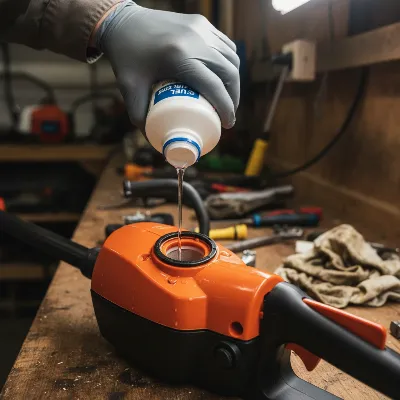 Applying fuel stabilizer to a gas pole saw before winter storage
Common Mistakes to Avoid When Winterizing a Gas Pole Saw
While the winterization process is relatively simple, certain mistakes can undermine your efforts and lead to problems down the road. Being aware of these pitfalls can save you significant frustration.
- Not Addressing the Fuel: The most common mistake is leaving untreated, unstabilized fuel in the tank and carburetor. As gasoline breaks down, it creates sticky residues that clog crucial engine components. Always either stabilize your fuel or drain it completely and run the engine dry.
- Forgetting to Run the Engine After Stabilizer: Simply adding stabilizer isn’t enough. You must run the engine for a few minutes to ensure the treated fuel reaches and protects the carburetor and fuel lines.
- Neglecting the Spark Plug and Air Filter: These small components play a big role in engine starting and performance. An old, fouled spark plug or a dirty air filter can prevent your pole saw from starting easily next season.
- Storing in Humid or Unprotected Conditions: Humidity is a silent killer for metal components, leading to rust and corrosion. Always store your pole saw in a dry, covered environment.
- Skipping Lubrication: Failing to oil the cylinder or lubricate the chain and guide bar leaves them vulnerable to rust and seizing during storage.
- Overlooking the Owner’s Manual: Every pole saw model can have specific recommendations for winterization. Always consult your owner’s manual for precise instructions to avoid voiding warranties or causing unintended damage.
Top Tips for Extending the Life of Your Gas Pole Saw
Beyond winterization, a few ongoing practices can significantly extend the life and improve the performance of your gas pole saw year-round. These habits promote efficiency and reduce wear and tear.
- Regular Cleaning: Make it a routine to clean your pole saw after each use. Removing sap, dirt, and debris prevents buildup that can hinder moving parts or cause corrosion. A clean tool not only looks better but performs better.
- Use Fresh, High-Quality Fuel: Always use fresh gasoline, preferably mixed with the manufacturer-recommended two-stroke oil if your pole saw is a two-cycle engine. Avoid stale fuel, which can cause poor performance and damage. Consider using ethanol-free gasoline if available, as ethanol can attract water and accelerate fuel degradation.
- Proper Fuel Mix: For two-cycle engines, ensure you are using the correct gasoline-to-oil ratio specified by the manufacturer. An incorrect mix can lead to engine damage.
- Timely Maintenance: Don’t wait for issues to arise. Follow the manufacturer’s recommended maintenance schedule for tasks like spark plug replacement, air filter cleaning, and chain sharpening. Proactive maintenance is key to longevity.
- Safe Storage: Even during the season, store your pole saw in a safe, dry place, protecting it from accidental damage, extreme temperatures, and moisture.
- Inspect Before Each Use: Before starting your pole saw, quickly check the chain tension, fuel levels, and overall condition of the tool. A quick inspection can catch minor issues before they become major problems.
Conclusion
Preparing your gas pole saw for the winter season is more than just putting it away; it’s an act of preservation that ensures your tool remains a reliable workhorse for years to come. By diligently following the steps of fuel system preparation, engine care, cutting head maintenance, thorough cleaning, and proper storage, you’re actively protecting your investment against the ravages of time and inactivity. Remember, a little effort now translates into significant savings and peace of mind when spring arrives, and your garden calls for its annual trim.
So, as you tuck away your gas pole saw this year, consider the care you’ve given it. Are you confident it will roar back to life when the first buds appear?
Frequently Asked Questions
How long can I store gasoline in my pole saw with fuel stabilizer?
With a quality fuel stabilizer, gasoline can typically be stored in your pole saw’s tank for up to 12-24 months. Always refer to the specific fuel stabilizer product’s instructions for exact recommendations, as duration can vary by brand and formulation.
Do I need to change the engine oil before winter storage?
For two-cycle gas pole saws, you generally mix oil with the gasoline, so there isn’t separate engine oil to change in the traditional sense. However, it’s crucial to ensure the correct fuel-oil mixture and to fog the engine cylinder with a small amount of oil for rust protection during storage. For four-cycle engines (less common for pole saws but sometimes found in larger equipment), changing the oil before storage is recommended.
What’s the best place to store a gas pole saw for the winter?
The best place to store a gas pole saw for the winter is in a clean, dry, and climate-controlled environment such as a garage, shed, or basement. Avoid areas with extreme temperature fluctuations or high humidity, as these can promote rust and degradation of components.
Can I skip winterization if I only store it for a few months?
Even for storage periods of just a few months, winterizing your gas pole saw is highly recommended. Untreated gasoline can begin to degrade in as little as 30 days, leading to carburetor issues. Taking the time to stabilize the fuel and perform basic maintenance will prevent headaches and ensure your pole saw is ready when you need it.
Frequently Asked Questions
How long can I store gasoline in my pole saw with fuel stabilizer?
With a quality fuel stabilizer, gasoline can typically be stored in your pole saw's tank for up to 12-24 months. Always refer to the specific fuel stabilizer product's instructions for exact recommendations, as duration can vary by brand and formulation.
Do I need to change the engine oil before winter storage?
For two-cycle gas pole saws, you generally mix oil with the gasoline, so there isn't separate engine oil to change in the traditional sense. However, it's crucial to ensure the correct fuel-oil mixture and to fog the engine cylinder with a small amount of oil for rust protection during storage. For four-cycle engines (less common for pole saws but sometimes found in larger equipment), changing the oil before storage is recommended.
What's the best place to store a gas pole saw for the winter?
The best place to store a gas pole saw for the winter is in a clean, dry, and climate-controlled environment such as a garage, shed, or basement. Avoid areas with extreme temperature fluctuations or high humidity, as these can promote rust and degradation of components.
Can I skip winterization if I only store it for a few months?
Even for storage periods of just a few months, winterizing your gas pole saw is highly recommended. Untreated gasoline can begin to degrade in as little as 30 days, leading to carburetor issues. Taking the time to stabilize the fuel and perform basic maintenance will prevent headaches and ensure your pole saw is ready when you need it.
How to Winterize Your Gas Pole Saw
Winterizing your gas pole saw is a straightforward process that can be broken down into several manageable steps, focusing on the fuel system, engine, cutting components, and overall cleanliness.
Either stabilize the fuel by adding a fuel stabilizer to fresh gasoline and running the engine for 5-10 minutes, or drain the fuel tank completely and run the engine until it dies. This prevents gum and varnish from forming in the carburetor and fuel lines.
Remove and inspect the spark plug, then pour about a teaspoon of clean engine oil or fogging oil into the spark plug hole. Gently pull the starter cord a few times to distribute the oil, coating the cylinder walls to prevent rust. Clean or replace the air filter and inspect cooling fins.
Carefully remove, clean, and sharpen the cutting chain, then coat it generously with fresh chain and bar oil to prevent rust. Clean the guide bar, paying attention to the groove, and lubricate its sprocket nose if applicable. Coat the entire bar with oil or rust-inhibiting spray.
Use a brush or damp cloth to clean the entire exterior housing of your pole saw, removing all dirt, sap, and debris. Inspect for any damaged parts, loose fasteners, or worn cables. Apply a lightweight oil to any hinges, springs, or control levers to prevent rust.
Store your gas pole saw in a clean, dry location, such as a garage, shed, or basement, avoiding areas with significant temperature fluctuations or high humidity. Cover the pole saw with a breathable, water-impermeable cover to protect it from dust and accidental bumps.

I always dreaded winterizing my pole saw, but the tips here made it so much easier. I used to just drain the fuel, but learning about the fuel stabilizer and running it through the engine was a game-changer. My saw started right up this spring with no issues, which is a first! Definitely recommend following these steps.
Fantastic advice! I’ve had issues with rust on my cutting components in the past, and the detailed instructions on cleaning and oiling them were exactly what I needed. It’s great to know I’m extending the lifespan of my tool and avoiding costly damage. This saved me a lot of headaches this spring.
This guide was really helpful for getting my gas pole saw ready for the cold. I appreciated the detailed steps on cleaning the air filter and spark plug. The only thing I found a little tricky was getting all the old fuel out without making a mess, but that’s probably just me. Overall, my saw is stored safely now.
I followed the advice on preventing gummed-up carburetors, which is a common problem for me. While the steps were clear, I still had a bit of a hard time with the exact amount of fuel stabilizer to use for my specific model. It would be great if there was a more general guideline or a link to a chart. My saw seems okay, but I’m not 100% confident.