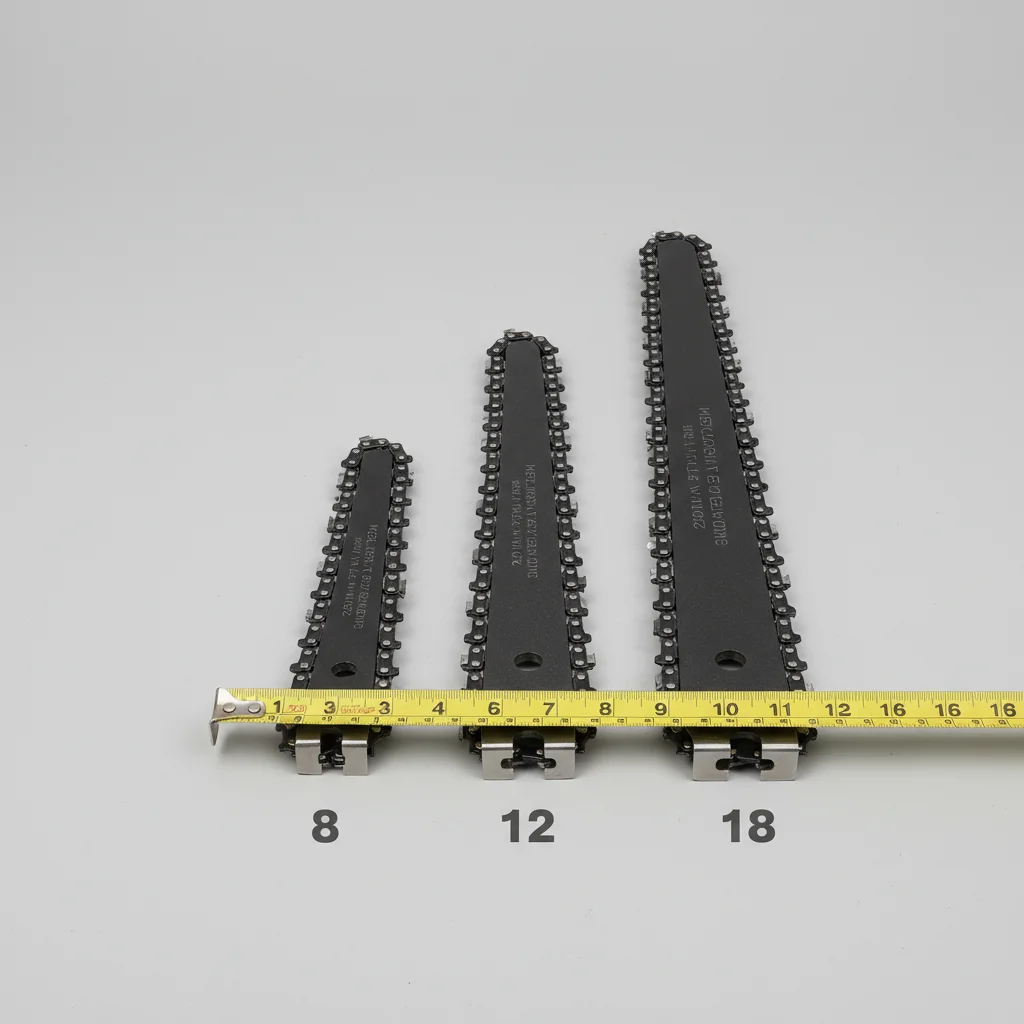
Choosing the correct pole saw bar length is crucial for efficient and safe pruning. Generally, pole saw bar lengths range from 6 inches to 12 inches, with 8-inch and 10-inch bars being the most common and versatile for typical homeowner tasks. The ideal length depends on the diameter of the branches you intend to cut and the overall reach required for your specific pruning projects.
Understanding Pole Saw Bar Lengths
The bar length of a pole saw refers to the usable cutting surface of the chain. A longer bar allows you to cut thicker branches, but it can also make the saw heavier and more challenging to maneuver, especially at full extension. Conversely, a shorter bar is lighter and more agile, perfect for smaller limbs and intricate cuts, but it limits the maximum branch thickness you can tackle.
- 6-inch bars: Ideal for very small branches, shrubs, and detailed pruning.
- 8-inch bars: A popular choice for general yard work, capable of handling branches up to 6 inches in diameter.
- 10-inch bars: Suitable for thicker branches, often found on more powerful models, cutting up to 8 inches in diameter.
- 12-inch bars: Best for larger, more demanding jobs, capable of felling branches up to 10 inches, but require more skill and power.
Matching Bar Length to Branch Diameter
A good rule of thumb is to select a bar length that is at least 2 inches longer than the diameter of the thickest branch you anticipate cutting. This provides enough clearance for the chain to fully engage the wood without getting stuck. For instance, if you frequently prune branches that are 6 inches thick, an 8-inch or 10-inch bar would be appropriate. Attempting to cut branches too thick for your bar can lead to kickback, chain binding, and potential damage to your equipment or injury to yourself.
Considerations for Reach and Maneuverability
|
Our Picks for the Best Pole Saw in 2026
As an Amazon Associate I earn from qualifying purchases.
|
||
| Num | Product | Action |
|---|---|---|
| 1 | Greenworks 8-Inch 40V Pole Saw Attachment PS40A00 |

|
| 2 | 36FT Pole Saw, Telescoping Tree Trimmer with 7-30FT Extension Pole, Manual Branches Pruner for Backyard, Blue |
|
| 3 | 12-Inch Chain, Pole Saw Attachment - Compatible with Weed Eater Snapper Craftsman Ryobi WORX Troy-Bilt, and Homelite Multi-Tool Hus 128LD |
|
| 4 | Kerlista Replacement Pole saw Attachment compatible with Weed Eater Snapper dewalt Craftsman Ryobi John Deere Worx Troy-Bilt and Homelite multi-tool Hus 28LD Power head Black |
|
| 5 | Pole Saw Bag Compatible with Dewalt/Worx/Greenworks/EGO Power+/Black+Decker Electric Telescoping Chainsaw, Cordless Power Saw Storage Case for Extension Tree Trimmer Attachment, Black&Yellow |
|
| 6 | Electric 2-in-1 Cordless Pole Saw & 6" Chainsaw, Brushless Pruning Saw with 3.0Ah Battery, 15-Foot Reach Extendable Tree Trimmer for High Branch Pruning & Limb Cutting |
|
| 7 | Pole Saw Attachment + Extension Pole Attachment Compatible with 125LDx 128DJx 128LDx 323LD 324LDx 325LDx 326LDx and 327LDx power head or trimmer head Silvery PA1100 575261201 |
|
| 8 | Fiskars 15" Replacement Saw Blade, Woodzig Chainsaw Tooth, Compatible Models 9300/9261/TP45, Silver |
|
| 9 | SEESII 10-Inch 2-in-1 Cordless Pole Saw & Mini Chainsaw, 21V Battery Powered Brushless Electric Tree Trimmer with Extension Pole, 2×4000mAh Batteries, Automatic Oiling,Handheld Pruner |
|
| 10 | Kerlista Replace part Pole saw attachment + Extension Pole Attachment compatible with Hus 128LD most brushcutters head and Powerheads (Black) |
|
While a longer bar can cut thicker branches, it also adds weight to the end of your pole saw. When extended, this extra weight can significantly impact maneuverability and user fatigue. For tasks requiring extensive reach, a slightly shorter bar might be preferable if the branch diameters are manageable, as it will be easier to control and less strenuous over prolonged use. Always prioritize safety and comfort, especially when working at height.
Impact on Power and Performance
The power of your pole saw’s motor or engine also plays a role in determining the effective bar length. A more powerful saw can drive a longer bar through thicker wood more efficiently. Less powerful models, typically electric or smaller battery-powered units, are better suited for shorter bars to maintain optimal cutting performance and prevent bogging down. Always check the manufacturer’s recommendations for compatible bar lengths for your specific pole saw model.
When to Choose a Longer Bar
A longer bar is advantageous when you consistently deal with mature trees, larger limbs, or need to make fewer passes on thicker sections. It reduces the effort of repositioning the saw for very wide cuts. However, remember that precision can decrease with increased bar length and reach, making it harder to make clean, accurate cuts on smaller, delicate branches.
When to Choose a Shorter Bar
Shorter bars excel in situations requiring precision, lighter weight, and easier handling. They are perfect for pruning fruit trees, shaping ornamental shrubs, or clearing smaller overgrowth where maneuverability is key. The reduced weight also makes them ideal for extended periods of use, minimizing arm and shoulder strain. For most homeowners with average yard maintenance needs, an 8-inch bar often strikes the best balance between capability and ease of use.
