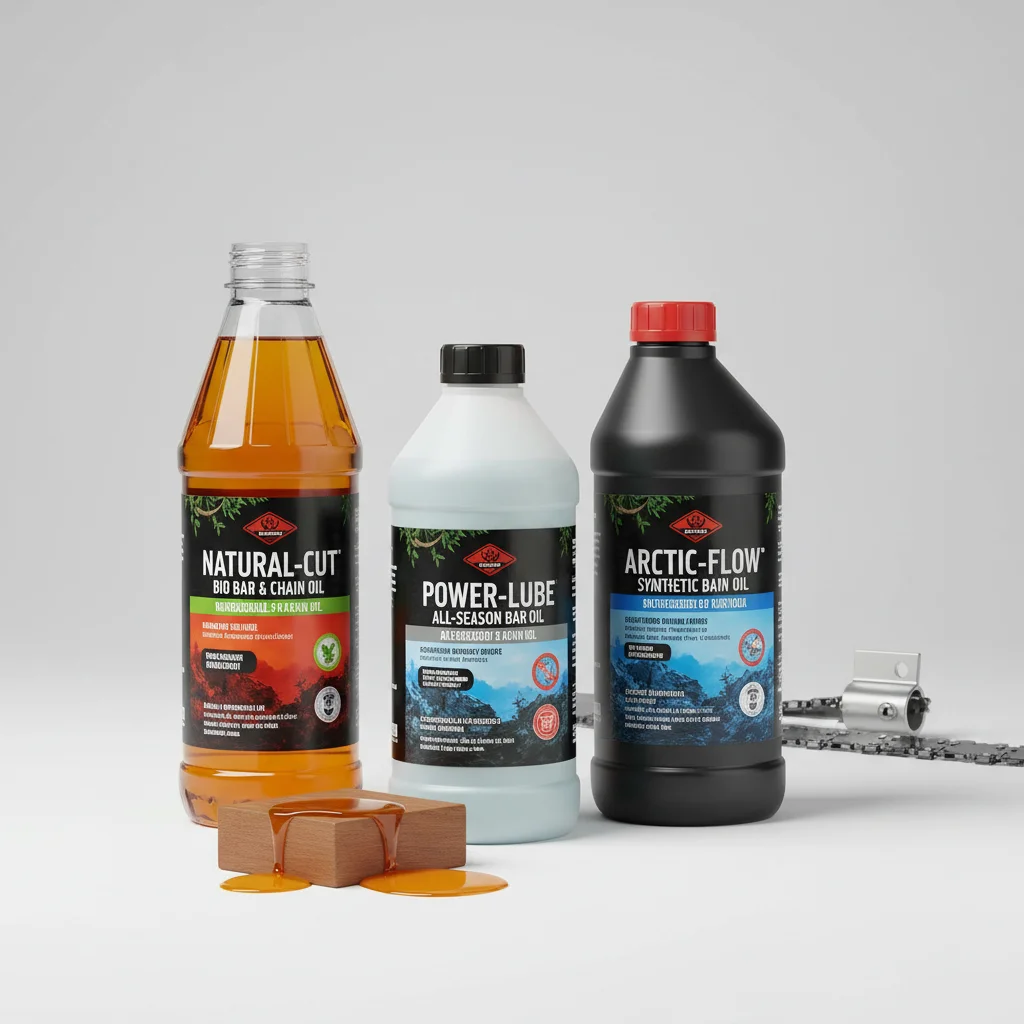
Choosing the correct pole saw bar oil is crucial for the longevity and performance of your equipment. The best type of oil to use is a dedicated bar and chain oil, specifically formulated to withstand high temperatures and provide superior adhesion to the chain and bar. This specialized oil ensures optimal lubrication, reduces friction, and prevents premature wear, ultimately extending the life of your pole saw.
Understanding Bar and Chain Oil Properties
Bar and chain oil is engineered with specific properties that differentiate it from standard motor oils. Its high tackiness allows it to cling to the fast-moving chain, preventing it from being flung off during operation. This ensures continuous lubrication, which is vital for reducing friction and heat buildup. Additionally, these oils often contain anti-wear additives that protect the bar and chain from excessive abrasion, especially when cutting through tough wood.
Viscosity is another key factor. Bar and chain oils typically have a higher viscosity than motor oils, which helps them maintain a consistent film even under extreme pressure and varying temperatures. This robust film is essential for minimizing metal-on-metal contact between the chain and the bar groove, thereby preventing damage and ensuring smooth cutting performance.
Why Not Use Motor Oil or Waste Oil?
While it might be tempting to use motor oil or even waste oil as a substitute for dedicated bar and chain oil, this practice is strongly discouraged. Motor oils lack the necessary tackifiers to adhere to the chain effectively, leading to rapid sling-off and insufficient lubrication. This can quickly result in overheating, increased friction, and accelerated wear of both the bar and chain, potentially causing costly damage to your pole saw.
Waste oil, besides being environmentally irresponsible, often contains contaminants and lacks the lubricating properties required for a pole saw. Using it can introduce abrasive particles into your saw’s system, further exacerbating wear and potentially clogging oil passages. Always invest in proper bar and chain oil to protect your equipment and ensure safe operation.
Biodegradable vs. Conventional Bar Oil
|
Our Picks for the Best Pole Saw in 2026
As an Amazon Associate I earn from qualifying purchases.
|
||
| Num | Product | Action |
|---|---|---|
| 1 | Pole Saw Attachment + Extension Pole Attachment Compatible with 125LDx 128DJx 128LDx 323LD 324LDx 325LDx 326LDx and 327LDx power head or trimmer head Silvery PA1100 575261201 |

|
| 2 | Kerlista Replacement Pole saw Attachment compatible with Weed Eater Snapper dewalt Craftsman Ryobi John Deere Worx Troy-Bilt and Homelite multi-tool Hus 28LD Power head Black |
|
| 3 | 12-Inch Chain, Pole Saw Attachment - Compatible with Weed Eater Snapper Craftsman Ryobi WORX Troy-Bilt, and Homelite Multi-Tool Hus 128LD |
|
| 4 | Electric 2-in-1 Cordless Pole Saw & 6" Chainsaw, Brushless Pruning Saw with 3.0Ah Battery, 15-Foot Reach Extendable Tree Trimmer for High Branch Pruning & Limb Cutting |
|
| 5 | Fiskars 15" Replacement Saw Blade, Woodzig Chainsaw Tooth, Compatible Models 9300/9261/TP45, Silver |
|
| 6 | 36FT Pole Saw, Telescoping Tree Trimmer with 7-30FT Extension Pole, Manual Branches Pruner for Backyard, Blue |
|
| 7 | Greenworks 8-Inch 40V Pole Saw Attachment PS40A00 |
|
| 8 | SEESII 10-Inch 2-in-1 Cordless Pole Saw & Mini Chainsaw, 21V Battery Powered Brushless Electric Tree Trimmer with Extension Pole, 2×4000mAh Batteries, Automatic Oiling,Handheld Pruner |
|
| 9 | Kerlista Replace part Pole saw attachment + Extension Pole Attachment compatible with Hus 128LD most brushcutters head and Powerheads (Black) |
|
| 10 | Pole Saw Bag Compatible with Dewalt/Worx/Greenworks/EGO Power+/Black+Decker Electric Telescoping Chainsaw, Cordless Power Saw Storage Case for Extension Tree Trimmer Attachment, Black&Yellow |
|
For environmentally conscious users, biodegradable bar and chain oils offer an excellent alternative to conventional petroleum-based options. These oils are formulated from vegetable-based compounds, making them less harmful to the environment if spilled or dispersed during use. They are particularly beneficial for those working in sensitive ecological areas or simply looking to reduce their carbon footprint.
Conventional bar oils, on the other hand, are typically petroleum-based and offer robust performance at a generally lower cost. Both types provide effective lubrication, but the choice often comes down to personal preference, environmental considerations, and budget. Always check your pole saw’s manual for any specific oil recommendations from the manufacturer.
Tips for Proper Bar Oil Application and Maintenance
Proper application and regular maintenance of your pole saw’s oiling system are just as important as choosing the right oil. Always ensure your oil reservoir is full before starting any cutting task. Regularly check the oil flow to the bar and chain; most pole saws have an adjustable oiler or a visible oil stream to confirm proper lubrication. A dry chain can quickly lead to damage and dangerous operating conditions.
- Always use fresh, clean bar and chain oil.
- Check oil levels before each use.
- Clean the bar groove and oil port regularly.
- Adjust oil flow according to cutting conditions.
- Store oil in a cool, dry place away from direct sunlight.
After each use, it’s a good practice to clean any sawdust and debris from around the bar and chain, paying close attention to the oiling holes and grooves. This prevents blockages that could impede oil flow during future operations. For the best selection of bar oils, consider checking outfor a wide range of options.
When to Change Bar Oil and How Much to Use
Unlike engine oil, bar and chain oil is continuously consumed during operation, so there isn’t a ‘change interval’ in the traditional sense. Instead, you simply refill the reservoir as needed. The amount of oil consumed will depend on the cutting conditions, the type of wood, and your pole saw’s oiler settings. A good rule of thumb is that your pole saw should consume approximately one tank of bar oil for every tank of fuel (for gas models).
For electric or battery-powered pole saws, monitor the oil level frequently, especially during extended use. If you notice the chain running dry or hear increased friction, stop immediately and refill the oil reservoir. Consistent lubrication is key to preventing premature wear and ensuring efficient cutting. For reliable pole saw accessories, including high-quality bar oil, visit.
