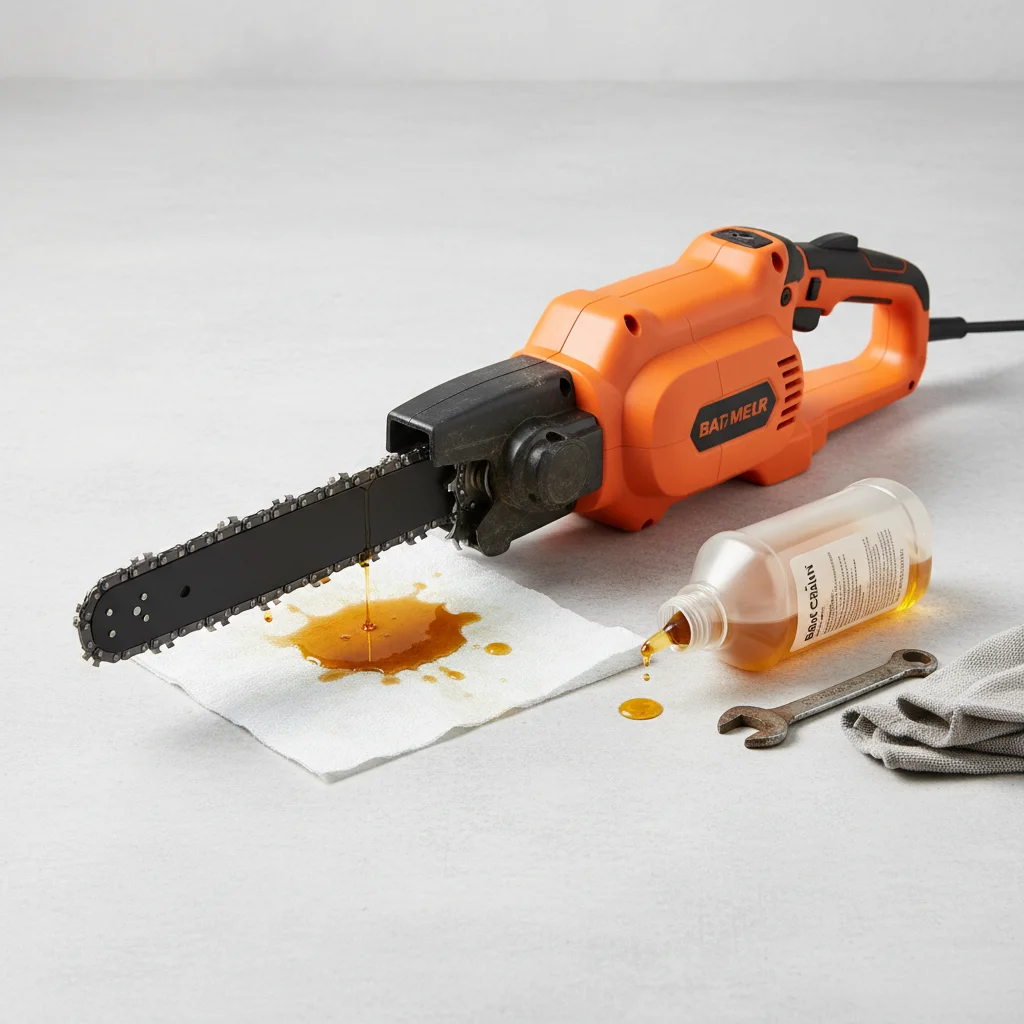
Pole saw oil leaks can be a frustrating issue, often stemming from a few common culprits. The most frequent causes include a damaged oil cap, a cracked oil reservoir, a worn-out oil seal, or loose connections in the oil lines. Addressing these problems promptly can prevent further damage and ensure your pole saw operates efficiently. This guide will walk you through the typical reasons for leaks and provide actionable steps to resolve them, helping you maintain your equipment effectively.
Understanding Common Causes of Pole Saw Oil Leaks
Oil leaks in pole saws are usually indicative of a mechanical issue that requires attention. One of the simplest causes is a loose or damaged oil cap. If the cap isn’t sealed properly, oil can seep out, especially during operation or storage. Another common problem is a crack in the oil reservoir itself. Over time, plastic reservoirs can become brittle or sustain impact damage, leading to hairline fractures that allow oil to escape. Inspecting the reservoir for any visible damage is a crucial first step in diagnosing a leak.
Identifying and Replacing Worn Oil Seals
Beyond the cap and reservoir, internal components like oil seals play a critical role in preventing leaks. The oil seal, often located around the chain drive or pump mechanism, can wear out due to friction and age. When this seal deteriorates, it loses its ability to contain the oil, resulting in noticeable leakage. Replacing a worn oil seal typically involves disassembling part of the pole saw to access the component. This task requires some mechanical aptitude and the correct replacement part for your specific pole saw model.
- Inspect the oil cap for cracks or a worn O-ring.
- Examine the oil reservoir for any visible cracks or damage.
- Check the oil lines and connections for looseness or deterioration.
- Look for oil residue around the chain drive, indicating a seal issue.
- Consult your pole saw’s manual for specific leak troubleshooting steps.
Tightening Loose Connections and Hoses
|
Our Picks for the Best Pole Saw in 2026
As an Amazon Associate I earn from qualifying purchases.
|
||
| Num | Product | Action |
|---|---|---|
| 1 | Kerlista Replacement Pole saw Attachment compatible with Weed Eater Snapper dewalt Craftsman Ryobi John Deere Worx Troy-Bilt and Homelite multi-tool Hus 28LD Power head Black |

|
| 2 | 12-Inch Chain, Pole Saw Attachment - Compatible with Weed Eater Snapper Craftsman Ryobi WORX Troy-Bilt, and Homelite Multi-Tool Hus 128LD |
|
| 3 | Pole Saw Attachment + Extension Pole Attachment Compatible with 125LDx 128DJx 128LDx 323LD 324LDx 325LDx 326LDx and 327LDx power head or trimmer head Silvery PA1100 575261201 |
|
| 4 | SEESII 10-Inch 2-in-1 Cordless Pole Saw & Mini Chainsaw, 21V Battery Powered Brushless Electric Tree Trimmer with Extension Pole, 2×4000mAh Batteries, Automatic Oiling,Handheld Pruner |
|
| 5 | Pole Saw Bag Compatible with Dewalt/Worx/Greenworks/EGO Power+/Black+Decker Electric Telescoping Chainsaw, Cordless Power Saw Storage Case for Extension Tree Trimmer Attachment, Black&Yellow |
|
| 6 | Greenworks 8-Inch 40V Pole Saw Attachment PS40A00 |
|
| 7 | Fiskars 15" Replacement Saw Blade, Woodzig Chainsaw Tooth, Compatible Models 9300/9261/TP45, Silver |
|
| 8 | Electric 2-in-1 Cordless Pole Saw & 6" Chainsaw, Brushless Pruning Saw with 3.0Ah Battery, 15-Foot Reach Extendable Tree Trimmer for High Branch Pruning & Limb Cutting |
|
| 9 | Kerlista Replace part Pole saw attachment + Extension Pole Attachment compatible with Hus 128LD most brushcutters head and Powerheads (Black) |
|
| 10 | 36FT Pole Saw, Telescoping Tree Trimmer with 7-30FT Extension Pole, Manual Branches Pruner for Backyard, Blue |
|
Sometimes, the solution to a pole saw oil leak is as simple as tightening a few connections. The oil lines that transport bar oil to the chain can become loose over time due to vibrations during use. Regularly checking these connections and ensuring they are snug can prevent minor leaks. If the hoses themselves appear cracked or brittle, they may need to be replaced. Always use hoses that are designed for oil and can withstand the operating conditions of your pole saw.
Step-by-Step Guide to Fixing a Leaking Pole Saw
Once you’ve identified the source of the leak, fixing it involves a methodical approach. For a damaged oil cap, simply replace it with a new one that fits your pole saw model. If the reservoir is cracked, a replacement reservoir is usually the most reliable solution, though some minor cracks might be temporarily sealed with epoxy designed for oil resistance. For worn oil seals, you’ll need to carefully remove the old seal and install a new one, ensuring it’s seated correctly to prevent future leaks. Always refer to your pole saw’s owner’s manual for specific instructions and diagrams, as procedures can vary between brands and models.
After performing any repairs, refill the oil reservoir and run the pole saw for a short period, carefully observing for any new leaks. It’s also a good practice to clean any spilled oil thoroughly to prevent slips and to make it easier to spot if the leak persists. Regular maintenance, including checking oil levels and inspecting components, can significantly extend the life of your pole saw and prevent many common issues, including oil leaks.Investing in quality replacement parts is crucial for a lasting repair.
