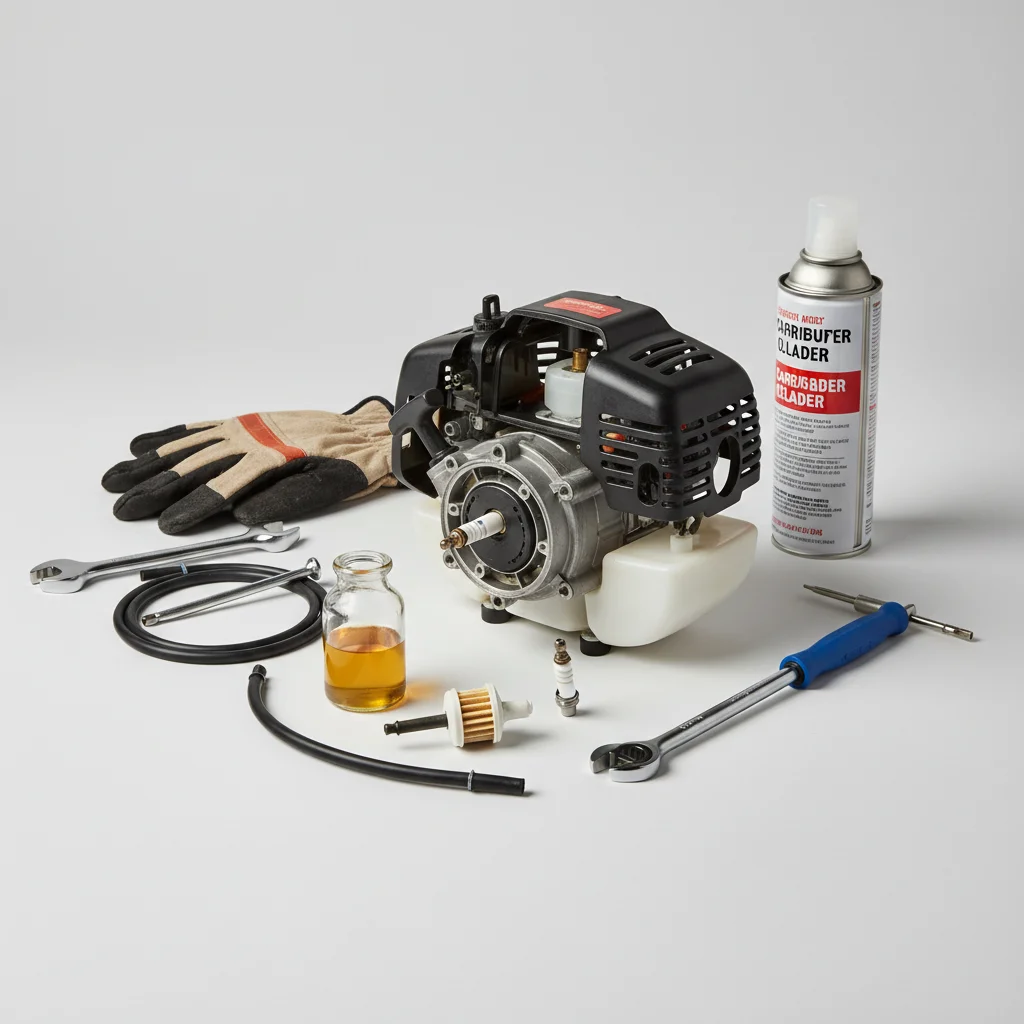
Experiencing pole saw starting problems can be frustrating, especially when you have a yard full of branches to prune. The good news is that many common starting issues can be resolved with a few simple troubleshooting steps. In fact, there are typically five main reasons why your pole saw might not be firing up, ranging from fuel issues to spark plug problems.
Checking Your Fuel and Fuel Lines
One of the most frequent culprits behind a pole saw that won’t start is old or incorrect fuel. Always use fresh, properly mixed fuel for gas-powered pole saws. Fuel can degrade over time, especially if left in the tank for several months, leading to carburetor clogs. Additionally, inspect the fuel lines for any cracks, kinks, or blockages. A compromised fuel line can prevent fuel from reaching the engine, making it impossible to start. If the fuel filter is dirty, replace it to ensure a clean fuel supply. For reviews buying guides on this site.
Inspecting the Spark Plug
The spark plug is crucial for igniting the fuel-air mixture in your pole saw’s engine. If your pole saw isn’t starting, remove the spark plug and inspect it. Look for signs of wear, carbon buildup, or damage to the electrode. A fouled or damaged spark plug won’t produce a strong enough spark. You can clean a dirty spark plug with a wire brush, but if it’s heavily corroded or damaged, it’s best to replace it. Also, ensure the spark plug gap is set correctly according to your pole saw’s manual.
Troubleshooting the Carburetor
The carburetor mixes air and fuel in the correct proportions for combustion. Over time, fuel deposits can build up in the carburetor, especially if the pole saw has been stored with fuel in it, leading to blockages. This is a common cause of starting difficulties. You might need to clean the carburetor using a carburetor cleaner or, in more severe cases, rebuild it with a carburetor repair kit. If you’re not comfortable with this, a professional service might be necessary. Ensure the choke is functioning correctly, as it’s vital for cold starts.
Examining the Air Filter
|
Our Picks for the Best Pole Saw in 2026
As an Amazon Associate I earn from qualifying purchases.
|
||
| Num | Product | Action |
|---|---|---|
| 1 | Kerlista Replace part Pole saw attachment + Extension Pole Attachment compatible with Hus 128LD most brushcutters head and Powerheads (Black) |

|
| 2 | 12-Inch Chain, Pole Saw Attachment - Compatible with Weed Eater Snapper Craftsman Ryobi WORX Troy-Bilt, and Homelite Multi-Tool Hus 128LD |
|
| 3 | SEESII 10-Inch 2-in-1 Cordless Pole Saw & Mini Chainsaw, 21V Battery Powered Brushless Electric Tree Trimmer with Extension Pole, 2×4000mAh Batteries, Automatic Oiling,Handheld Pruner |
|
| 4 | Kerlista Replacement Pole saw Attachment compatible with Weed Eater Snapper dewalt Craftsman Ryobi John Deere Worx Troy-Bilt and Homelite multi-tool Hus 28LD Power head Black |
|
| 5 | 36FT Pole Saw, Telescoping Tree Trimmer with 7-30FT Extension Pole, Manual Branches Pruner for Backyard, Blue |
|
| 6 | Fiskars 15" Replacement Saw Blade, Woodzig Chainsaw Tooth, Compatible Models 9300/9261/TP45, Silver |
|
| 7 | Pole Saw Attachment + Extension Pole Attachment Compatible with 125LDx 128DJx 128LDx 323LD 324LDx 325LDx 326LDx and 327LDx power head or trimmer head Silvery PA1100 575261201 |
|
| 8 | Pole Saw Bag Compatible with Dewalt/Worx/Greenworks/EGO Power+/Black+Decker Electric Telescoping Chainsaw, Cordless Power Saw Storage Case for Extension Tree Trimmer Attachment, Black&Yellow |
|
| 9 | Greenworks 8-Inch 40V Pole Saw Attachment PS40A00 |
|
| 10 | Electric 2-in-1 Cordless Pole Saw & 6" Chainsaw, Brushless Pruning Saw with 3.0Ah Battery, 15-Foot Reach Extendable Tree Trimmer for High Branch Pruning & Limb Cutting |
|
A dirty or clogged air filter can restrict airflow to the engine, causing it to run rich and making it difficult to start. Regularly check your pole saw’s air filter and clean it if it’s dusty or replace it if it’s heavily soiled or damaged. A clean air filter ensures the engine gets the proper air-fuel mixture, which is essential for easy starting and efficient operation. This simple maintenance step can often prevent many starting problems.
Checking the Recoil Starter and Kill Switch
Sometimes, the issue isn’t with the engine itself but with the starting mechanism. First, ensure the kill switch is in the ‘on’ or ‘run’ position. It’s a common oversight that can prevent any engine from starting. Next, inspect the recoil starter. If the rope pulls out easily without engaging the engine, or if it feels jammed, there might be an issue with the recoil mechanism. This could involve a broken spring or a faulty pawl. While less common, these mechanical failures can certainly prevent your pole saw from starting.
- Always use fresh, correctly mixed fuel.
- Clean or replace the spark plug regularly.
- Maintain a clean air filter for optimal airflow.
- Ensure the kill switch is in the ‘on’ position.
- Check fuel lines for blockages or damage.
When to Seek Professional Help
While many pole saw starting problems can be resolved with DIY troubleshooting, there are times when professional help is warranted. If you’ve gone through all the common fixes and your pole saw still won’t start, or if you’re uncomfortable performing any of the more complex repairs like carburetor cleaning or recoil starter repair, it’s best to take your pole saw to a qualified service technician. They have the specialized tools and expertise to diagnose and fix more intricate issues, ensuring your pole saw is safe and ready for use. Regular maintenance can significantly reduce the likelihood of these starting issues.
