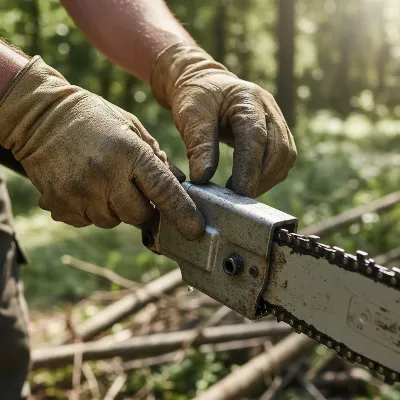
Maintaining a pristine yard often means tackling overgrown branches, but the loud roar of traditional gas-powered tools can quickly disrupt the peace of your neighborhood. Imagine effortlessly reaching high limbs, making clean cuts, and enhancing your property’s aesthetics, all without a single complaint from next door. This is where the battery pole saw becomes your ultimate gardening ally, offering a powerful yet remarkably quiet solution for tree care. This comprehensive guide will explore why battery pole saws are the ideal choice for noise-sensitive areas, delve into key buying considerations, highlight top models, and provide essential tips for usage and maintenance.
Understanding Battery Pole Saws: Your Quiet Solution for Tree Care
A battery pole saw is an innovative garden tool featuring a small chainsaw head mounted on an extendable pole, powered by a rechargeable lithium-ion battery. This design allows you to safely trim high branches from the ground, eliminating the need for wobbly ladders and dangerous climbing. For homeowners in quiet neighborhoods, this tool isn’t just a convenience; it’s a necessity, offering a peaceful approach to yard work.
Choosing a battery pole saw, especially for noise-sensitive environments, comes with a host of benefits. These cordless wonders operate at significantly lower decibel levels compared to their gas-powered counterparts, often ranging from 85-100 dB versus the ear-splitting 100-120+ dB of gas models. This substantial difference not only spares your neighbors from disruptive noise but also makes for a more pleasant and less fatiguing experience for you. Beyond the quiet operation, battery pole saws produce zero emissions, contributing to cleaner air and a healthier environment. They also demand far less maintenance, freeing you from the hassles of fuel mixing, spark plug changes, and oil checks. Their portability and cordless design grant unparalleled freedom of movement, letting you navigate your yard without being tethered to an outlet or limited by an extension cord. Moreover, by keeping your feet firmly on the ground, battery pole saws inherently offer a safer alternative for tackling elevated pruning tasks.
Types of Pole Saws: Focusing on Cordless Advantages
While the market offers various pole saw types—including gas-powered, corded electric, and manual—battery-powered models stand out as the superior choice for most homeowners, particularly those in quiet residential areas. Gas pole saws, while powerful, are notoriously loud, produce fumes, and require regular maintenance. Corded electric models are quieter but limit your range of motion. Manual pole saws are silent but demand considerable physical effort and are only suitable for very light tasks.
Battery-powered pole saws, on the other hand, deliver a harmonious blend of power, convenience, and low noise.
- Pros: They boast significantly quieter operation, emit zero harmful fumes, and start instantly with a simple push-button. Their electric motors often generate less vibration, reducing user fatigue. Many models are surprisingly lightweight, further enhancing maneuverability, and are part of larger battery ecosystems, allowing you to use the same batteries across multiple tools.
- Cons: The primary limitations include a finite runtime, dictated by battery life, and potentially a higher initial cost compared to corded or manual options. While powerful, some heavy-duty gas models might still offer superior brute force for exceptionally large or dense cutting tasks.
- Suitable Applications: These attributes make battery pole saws perfectly suited for light to medium trimming, routine yard maintenance, and any task in residential or noise-sensitive environments where minimizing disturbance is key.
Essential Factors for Choosing the Right Battery Pole Saw
Selecting the perfect battery pole saw involves more than just picking a brand; it requires a careful evaluation of several crucial factors to ensure the tool meets your specific needs. Considering these elements will help you make an informed decision for efficient and enjoyable tree care.
Reach and Pole Length
|
Our Picks for the Best Pole Saw in 2026
As an Amazon Associate I earn from qualifying purchases.
|
||
| Num | Product | Action |
|---|---|---|
| 1 | 12-Inch Chain, Pole Saw Attachment - Compatible with Weed Eater Snapper Craftsman Ryobi WORX Troy-Bilt, and Homelite Multi-Tool Hus 128LD |

|
| 2 | Pole Saw Attachment + Extension Pole Attachment Compatible with 125LDx 128DJx 128LDx 323LD 324LDx 325LDx 326LDx and 327LDx power head or trimmer head Silvery PA1100 575261201 |
|
| 3 | Fiskars 15" Replacement Saw Blade, Woodzig Chainsaw Tooth, Compatible Models 9300/9261/TP45, Silver |
|
| 4 | Kerlista Replacement Pole saw Attachment compatible with Weed Eater Snapper dewalt Craftsman Ryobi John Deere Worx Troy-Bilt and Homelite multi-tool Hus 28LD Power head Black |
|
| 5 | Pole Saw Bag Compatible with Dewalt/Worx/Greenworks/EGO Power+/Black+Decker Electric Telescoping Chainsaw, Cordless Power Saw Storage Case for Extension Tree Trimmer Attachment, Black&Yellow |
|
| 6 | SEESII 10-Inch 2-in-1 Cordless Pole Saw & Mini Chainsaw, 21V Battery Powered Brushless Electric Tree Trimmer with Extension Pole, 2×4000mAh Batteries, Automatic Oiling,Handheld Pruner |
|
| 7 | 36FT Pole Saw, Telescoping Tree Trimmer with 7-30FT Extension Pole, Manual Branches Pruner for Backyard, Blue |
|
| 8 | Greenworks 8-Inch 40V Pole Saw Attachment PS40A00 |
|
| 9 | Electric 2-in-1 Cordless Pole Saw & 6" Chainsaw, Brushless Pruning Saw with 3.0Ah Battery, 15-Foot Reach Extendable Tree Trimmer for High Branch Pruning & Limb Cutting |
|
| 10 | Kerlista Replace part Pole saw attachment + Extension Pole Attachment compatible with Hus 128LD most brushcutters head and Powerheads (Black) |
|
The pole’s length determines how high you can reach without a ladder. Most battery pole saws offer a maximum reach between 8 and 15 feet, factoring in your own height. Telescoping poles are highly advantageous as they provide versatility, allowing you to adjust the length for both lower and higher branches. Consider the average height of the branches you’ll be trimming to choose a pole length that offers ample but manageable reach.
Bar Length and Cutting Capacity
The chainsaw head’s bar length dictates the maximum thickness of branches the saw can handle. Common bar lengths range from 6 to 12 inches. A 6-8 inch bar is typically ideal for cutting branches up to 6 inches in diameter, which covers most residential pruning needs. For thicker limbs or more substantial cleanup, a 10-12 inch bar will provide the necessary cutting capacity.
Battery Power and Runtime
The power of a battery pole saw is influenced by its voltage (V) and the battery’s amp-hours (Ah), which impacts runtime. Higher voltage (e.g., 40V, 56V, 60V, 80V) generally means more cutting power for tougher jobs. Amp-hours determine how long the battery will last on a single charge; a higher Ah rating provides longer runtime. Look for models with brushless motors, as they offer greater efficiency, longer motor life, and improved power delivery. For extended tasks, having a spare battery or opting for a higher Ah battery can prevent interruptions.
Weight and Ergonomics
Using a pole saw, especially overhead, can be tiring. The tool’s weight and balance are critical for reducing user fatigue and maintaining control. Aim for models weighing under 10 pounds, as lighter saws are significantly easier to maneuver during prolonged use. Features like balanced designs, comfortable grips, and optional shoulder straps can greatly enhance ergonomics and ease of handling.
Safety Features
Safety should always be a top priority. Look for features such as automatic chain oilers, which keep the chain lubricated for smooth operation and reduced friction; low-kickback chains and bars designed to minimize the risk of sudden upward or backward motion; and safety switches that prevent accidental starts. Always read the user manual and wear appropriate personal protective equipment (PPE) when operating any power tool.
Brand Ecosystem and Compatibility
If you already own other battery-powered yard tools from a specific brand (e.g., EGO, DeWalt, Ryobi, Greenworks), choosing a pole saw from the same brand can be a cost-effective choice. This allows you to share batteries and chargers across multiple tools, streamlining your equipment and reducing overall expense.
Price and Value
Battery pole saws typically have a higher upfront cost than corded electric or manual models due to the advanced battery and motor technology. However, consider the long-term value, including savings on fuel and reduced maintenance. Assess the warranty offered and compare features against your budget to find a saw that offers the best balance of performance, durability, and cost.
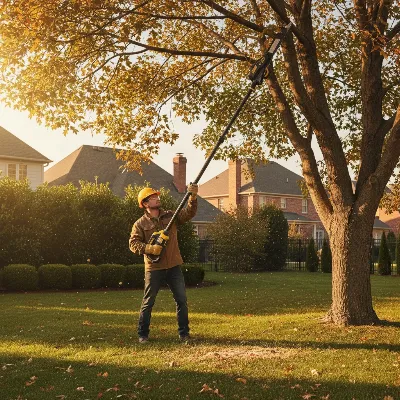 A person safely pruning high tree branches with a battery-powered pole saw in a residential backyard.
Top Battery Pole Saw Brands and Models for Quiet Operation
When seeking a battery pole saw that excels in both performance and quiet operation for residential use, several brands consistently rise to the top. These manufacturers offer models known for their robust power, extended reach, and user-friendly designs, making them ideal companions for maintaining your yard without disturbing the peace.
EGO Power+: Renowned for delivering gas-like power in an exceptionally quiet package, EGO Power+ pole saws, such as the PSA1000 or PS1001, are often top contenders. They feature advanced 56V ARC Lithium batteries, carbon fiber shafts for durability and reduced weight, and innovative features like LED cut-line indicators for precision. EGO tools are favored by users who demand professional-grade results with the convenience and low noise of battery power.
Greenworks: A popular choice for homeowners, Greenworks offers a range of reliable and eco-friendly battery pole saws in various voltage platforms, including 40V and 80V. Their Greenworks 40V Cordless Pole Saw, for example, strikes an excellent balance between performance and ease of use, making it suitable for medium-sized yards and regular pruning tasks. These saws are appreciated for their solid runtime and compatibility within the extensive Greenworks battery ecosystem.
DeWalt: Part of a leading tool ecosystem, DeWalt’s battery pole saws, like the DeWalt 20V MAX XR Cordless Pole Saw Kit, are known for their powerful performance and rugged durability. They provide excellent cutting power and are engineered for optimal balance and control, making them a strong choice for users who value consistent performance and already own other DeWalt 20V MAX tools.
Milwaukee: For those needing heavy-duty performance from a battery-powered tool, Milwaukee’s M18 Fuel lineup offers robust solutions. The Milwaukee M18 Fuel 10” Pole Saw Kit with Quik-Lok delivers ample cutting power, rivaling some gas models, while significantly reducing noise and emissions. This tool is built for demanding tasks, making it ideal for larger properties or more frequent, intensive pruning.
Ryobi ONE+: Offering exceptional value and a vast battery ecosystem, Ryobi ONE+ pole saws, such as the Ryobi ONE+ 18V Pole Saw, are lightweight and compact. They are an excellent option for homeowners looking for an easy-to-use tool for light to medium trimming, especially if they are already invested in the Ryobi ONE+ battery platform, which powers hundreds of compatible tools.
Black+Decker: Synonymous with user-friendly and affordable tools, Black+Decker provides excellent options for light-duty trimming. Their Black+Decker 20V MAX Pole Saw is remarkably lightweight and compact, making it perfect for quick tasks, small yards, and users who prioritize ease of handling and budget-friendliness for occasional pruning.
Makita: For professional-grade results, Makita’s battery pole saws, such as the Makita DUA301Z (LXT® 18V X2), combine advanced brushless motor technology with robust construction. These powerful tools offer exceptional reach and cutting efficiency, capable of handling challenging jobs while providing the freedom of cordless operation, especially valuable for users already in the Makita LXT system.
Bosch: The Bosch UniversalChainPole 18 is a well-balanced and easy-to-use cordless telescopic pruner. Designed for homeowners, it offers practical solutions for hard-to-reach branches with its compact size and ergonomic design. Being part of the 18V “Power for All” battery alliance, it offers great convenience for users with other Bosch DIY and garden tools.
Detailed Comparison Table: Leading Battery Pole Saws
| Model Name | Type | Max Reach (ft) | Voltage | Bar Length (in) | Pros | Cons | Est. Price |
|---|---|---|---|---|---|---|---|
| EGO Power+ PS1000/PS1001 | Battery | 12-17 | 56V | 10 | High power, exceptionally quiet, lightweight, carbon fiber shaft, LED cut-line indicator | Higher initial price point, battery/charger may add cost | $$$ |
| Greenworks 40V Cordless Pole Saw | Battery | 8-10 | 40V | 8 | Good balance of performance/cost, eco-friendly, solid runtime, good for homeowners | May lack extreme power for very thick, continuous cutting | $$ |
| DeWalt 20V MAX XR Cordless Pole Saw | Battery | 15 | 20V | 8 | Powerful and durable, excellent control and balance, part of vast DeWalt battery ecosystem | Battery and charger often sold separately | $$$ |
| Milwaukee M18 Fuel 10” Pole Saw | Battery | 10-12 | 18V (M18) | 10 | Heavy-duty power, robust build, ideal for larger branches and frequent use, quieter than gas | Heavier tool, higher price, often sold as tool-only | $$$$ |
| Ryobi ONE+ 18V Pole Saw | Battery | 9.5 | 18V | 8 | Lightweight, affordable, compatible with extensive ONE+ ecosystem, easy to maneuver | Best for light to medium tasks, may struggle with very large limbs | $ |
| Black+Decker 20V MAX Pole Saw | Battery | 14.5 | 20V | 8 | Ultra-lightweight, compact, budget-friendly, great for small yards/light trimming | Limited power for thicker branches or heavy use | $ |
| Makita DUA301Z (LXT® 18V X2) | Battery | 12.5 | 36V (2x18V) | 12 | Professional-grade power, exceptional durability, advanced brushless motor, good reach | High price, heavier, battery/charger often sold separately | $$$$ |
| Bosch UniversalChainPole 18 | Battery | 8.5 | 18V | 8 | Well-balanced, easy to use, compact, part of “Power for All” alliance, good ergonomics | Moderate power, shorter maximum reach than some competitors | $$ |
Maximizing Your Battery Pole Saw: Usage and Maintenance Tips
To ensure your battery pole saw performs optimally, lasts for years, and remains a safe tool in your shed, proper usage and diligent maintenance are key. Following these guidelines will help you get the most out of your investment and keep your yard looking its best.
Safe Operation
Always prioritize safety when operating any power tool. Begin by thoroughly reading your pole saw’s instruction manual to understand its specific features and safety precautions. Wear appropriate personal protective equipment (PPE), including safety glasses, hearing protection (even with quieter battery saws), gloves, and a hard hat, especially when working near falling debris. Maintain a safe distance from the cutting head and be keenly aware of where branches will fall, clearing the area of people and pets. Adopt a stable stance, keeping both hands firmly on the pole saw’s handles, and avoid reaching or overextending. Crucially, always check for overhead power lines before beginning any work and ensure adequate clearance.
Effective Usage
Before making any cuts, take a moment to plan your approach. Start by trimming smaller branches first to clear the way for larger ones. For larger limbs, employ the “three-cut method” to prevent bark stripping. This involves making an undercut first, then a top cut further out on the branch, allowing the limb to fall without tearing the main trunk. Finally, make your finishing cut closer to the trunk. Let the saw’s power do the work; avoid forcing the blade through branches, as this can strain the motor, drain the battery faster, and increase the risk of kickback.
 A person cleaning and maintaining a battery pole saw after use, focusing on the bar and chain.
Maintenance for Longevity
Regular maintenance will significantly extend the life and efficiency of your battery pole saw. After each use, take the time to clean the guide bar and chain thoroughly, removing any sap, sawdust, or debris. Check the chain oil reservoir and top it off as needed; most modern battery pole saws feature automatic oilers, but it’s still important to monitor oil levels. Keep your chain sharp, either by sharpening it yourself with a proper file or having it professionally sharpened; a dull chain works inefficiently and can be dangerous. Regularly inspect the battery and charger for any signs of damage and always store batteries in a cool, dry place away from extreme temperatures to preserve their lifespan. Finally, periodically check all bolts and connections for tightness and replace any worn or damaged parts promptly.
Conclusion
Embracing a battery pole saw transforms tree care from a noisy chore into a serene and efficient task, making it the perfect tool for homeowners in quiet neighborhoods. These innovative machines combine significant power with eco-friendly, low-noise operation and cordless convenience, allowing you to maintain beautiful, healthy trees without disturbing the peace. When selecting your ideal model, remember to weigh factors such as reach, cutting capacity, battery power, weight, and essential safety features to match the tool to your specific yard care needs.
By choosing one of the top-rated battery pole saws and committing to proper usage and maintenance, you gain a powerful ally that not only delivers clean, precise cuts but also fosters a more harmonious outdoor environment. Invest in a battery pole saw today and experience the satisfaction of a well-maintained yard and a content neighborhood. Which battery pole saw feature will make the biggest difference in your yard?
Frequently Asked Questions (FAQ)
Are battery pole saws powerful enough for large branches?
Many modern battery pole saws, especially 40V-80V models with brushless motors, offer substantial power capable of cutting branches up to 8-10 inches in diameter. While they may not match the continuous, brute force of high-end gas models for extremely heavy-duty work, they are more than sufficient for typical residential pruning and trimming tasks.
How much quieter are battery pole saws compared to gas models?
Battery pole saws typically operate in the 85-100 dB range, whereas gas-powered models can exceed 100-120 dB, especially during heavy use. This significant difference makes battery pole saws ideal for use in quiet neighborhoods, minimizing disturbance to neighbors and reducing noise exposure for the user.
What is the average runtime of a battery pole saw?
Runtime varies significantly based on battery voltage and amp-hours (Ah), the type of wood being cut, and the intensity of use. Most battery pole saws offer 30-60 minutes of continuous cutting on a single charge. For longer tasks or larger properties, it is advisable to have a spare charged battery or opt for models with higher Ah batteries to minimize downtime.
Do I need to buy a battery and charger separately?
It depends on the specific product. Some battery pole saws are sold as “tool only,” meaning the battery and charger are not included, particularly if the tool is part of a larger battery ecosystem. This allows users to leverage existing batteries and chargers from the same brand. Always check the product description to confirm what is included with your purchase.
What maintenance do battery pole saws require?
Battery Pole Saws require less maintenance than gas models. Key tasks include cleaning the guide bar and chain after each use, ensuring the chain is properly oiled (many models feature automatic oilers), keeping the chain sharp, and safely storing batteries in a cool, dry place. Unlike gas saws, there’s no need for fuel mixing, spark plug changes, or air filter cleaning.